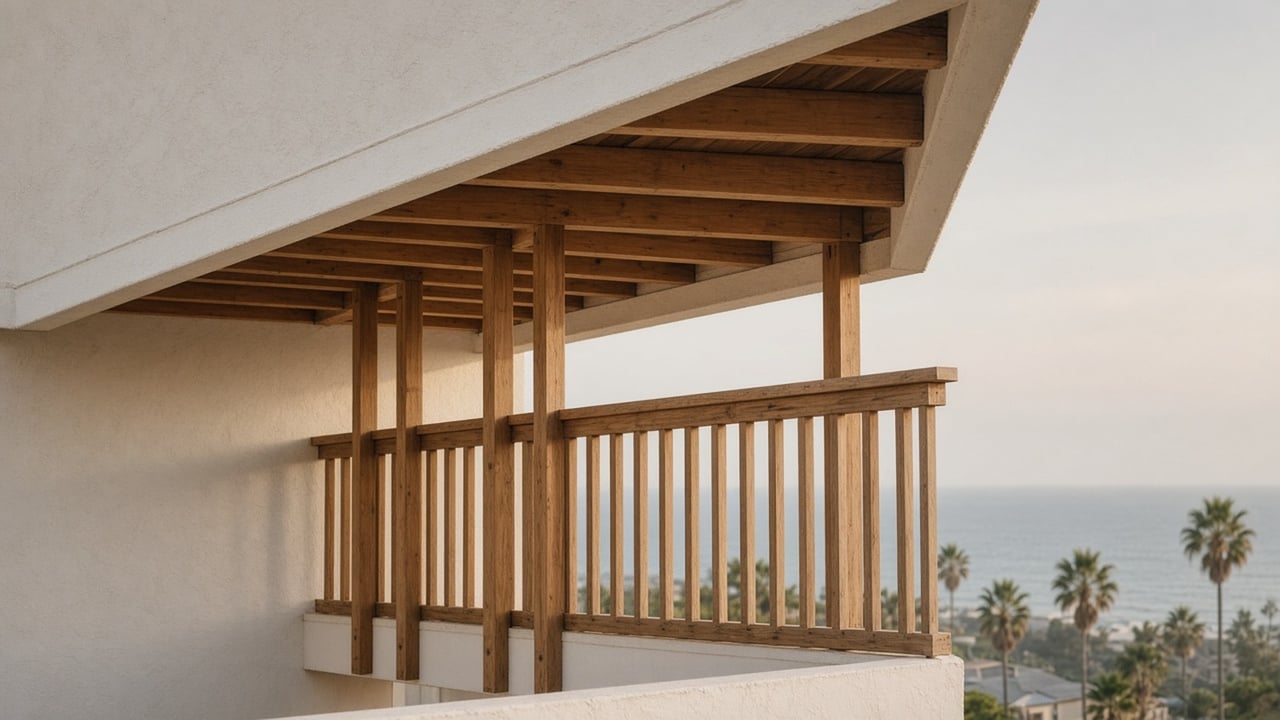
Pending balcony work does not answer the sale question by itself. Review the inspection findings, safety restrictions, funding and buyer financing before setting terms. California law requires specified condo inspection and assessment disclosures, including the most recent section 5551 report. A seller credit is not a substitute for completing a safety repair that a lender requires. [1][2][4]
Confirm safety and repair scope with the qualified inspector and HOA. Ask the buyer's lender, escrow and an attorney to review project eligibility and assessment allocation.
Is This an SB 326 Condo or an SB 721 Building?
Start with the ownership and building type. Condominium association inspections are addressed by Civil Code 5551, commonly associated with SB 326. Health and Safety Code 17973, associated with SB 721, governs covered multifamily buildings but excludes common interest developments. Their inspection schedules and responsibilities differ, so do not use an apartment deadline for a La Jolla condo. [1][3]
Current section 5551 applies to buildings with three or more attached multifamily units and specified wood-supported exterior elevated elements more than six feet above ground for which the association has maintenance or repair responsibility. It requires inspection by a licensed structural or civil engineer or architect. Not every balcony qualifies merely because it is outdoors, and the governing documents matter to responsibility. [1]
The current condo statute says the first inspection was due January 1, 2025 and recurring inspection is at least every nine years, with a separate provision for buildings with permit applications submitted on or after January 1, 2020. The current SB 721 statute instead specifies January 1, 2026 and six-year intervals, with its own provisions and exceptions. Both dates are in the past as of November 11, 2026; neither should be described as a future grace period. [1][3]
These state distinctions apply equally when assessing a covered coastal condo in Del Mar, Solana Beach or Encinitas, but this article does not determine coverage for any particular project. Ask the manager and qualified inspector to identify the statute, components and maintenance obligations in writing. [1][3]
What Must a Condo Seller Obtain and Disclose?
Civil Code 4525 now expressly includes the report from the most recent section 5551 inspection in the seller transfer documents. It also calls for current assessment information and approved changes not yet due. Obtain the actual report and board records, not only a manager assurance that the project is working on its balconies. [2]
Both sections 4525 and 5551 were amended by SB 410 effective January 1, 2026. Section 5551 specifies inspection-report information and an immediate response when an element poses a threat to occupants, including preventing access until repairs are inspected and approved by the local agency. A pending sale does not convert a closed balcony into a usable amenity. [1][2]
Request the inspection report, any follow-up engineering, access restrictions, repair scope, bids, permits, reserve information and assessment notices. Some are statutory transfer items and some are additional suggested diligence. Ask the manager to distinguish a draft repair proposal, an approved assessment and an invoice that is already due. [1][2]
For a special assessment approved before closing but billed later, do not assume the billing date alone answers who pays. Section 4525 requires disclosure of approved changes not yet due, but does not itself supply every negotiated purchase allocation. Have escrow and counsel reconcile the contract, association statement and governing documents, including installments or a possible supplemental assessment. [2]
Keep Four Balcony Questions Separate
Question | Evidence to obtain | What it does not prove |
|---|---|---|
Was the inspection completed? | Most recent signed section 5551 report | All recommended repairs are finished |
Is the area safe to use? | Engineer findings and access restrictions | A planned repair makes it safe today |
Is repair funding approved? | Board action and assessment statement | Final project cost is guaranteed |
Will the buyer loan work? | Lender project review | A credit cures a critical repair |
Will a Credit Solve the Repair and Financing Problem?
Not necessarily. A credit addresses the negotiated economics, while a lender evaluates the project condition and its own loan requirements. Fannie Mae distinguishes routine repairs from critical repairs and can make an affected project ineligible while critical issues remain unresolved. Its rules are not every jumbo lender rule, but they explain why project review belongs early. [4]
Fannie Mae Selling Guide B4-2.1-03, dated November 4, 2026, requires review of special assessments to determine whether they address critical repairs. It says a project with unaddressed critical repairs is ineligible under its standards until the required work is completed and documented. Funding a repair is not the same as completing it. [4]
That does not mean every pending balcony coating project prevents financing or makes the condo unsaleable. The guide distinguishes routine preventative work from critical conditions. Have the buyer's lender review the actual engineering report and assessment package for the intended loan, especially when financing is jumbo or otherwise outside Fannie Mae delivery rules. [4]
For the seller decision, compare waiting for documented completion with marketing now using complete disclosures and carefully reviewed terms. Do not invent a price discount, repair budget or completion date. Ask the HOA who controls access, permits and contractor scheduling, and have an attorney help allocate assessment and repair risk without promising work outside your control.
Coastal Condo Seller Checklist
- Confirm project type and applicable inspection statute
- Get the most recent report and follow-up engineering
- Identify access restrictions and agency notices
- Obtain current and approved future assessment information
- Have the buyer's lender evaluate the project early
- Have escrow and counsel document assessment allocation and update disclosures
Frequently Asked Questions
These five answers address the main decisions covered in this guide. Use them with the records for your property, not as a substitute for checking a contract, approval or agency requirement. The sources were reviewed November 11, 2026 PST, and the right next step depends on what those records show.
Does every La Jolla balcony fall under SB 326?
No. Section 5551 defines the covered wood-supported elevated elements and applies to specified condominium buildings. Ask the association and inspector to confirm coverage and responsibility.
Is the SB 721 deadline the condo deadline?
No. Current section 5551 states a January 1, 2025 first condo inspection deadline and recurring nine-year inspections, with specific newer-building provisions. Section 17973 uses a different schedule and excludes common interest developments.
Must the buyer receive the balcony report?
Current Civil Code 4525.a.11 requires the most recent section 5551 inspection report as part of the specified seller transfer disclosures.
Who pays an assessment approved before closing but billed later?
Do not decide from the billing date alone. Disclose the approved assessment and have escrow and counsel review the purchase terms, association statement and governing documents for the actual allocation.
Can a credit replace completion of critical repairs?
Not for every loan. Fannie Mae rules can make a project with unaddressed critical repairs ineligible. Have the buyer's lender review the actual project and loan program rather than assuming a credit resolves it.
Sources
The primary sources below support the factual and legal points in this guide. Each entry identifies its document date or notes when the page is undated, together with the review date. Recheck changing rules and confirm property-specific details with the responsible agency or professional before committing to a sale plan.
- California Civil Code section 5551. Amended by SB 410, effective January 1, 2026; read November 11, 2026 PST.
- California Civil Code section 4525. Amended by SB 410, effective January 1, 2026; read November 11, 2026 PST.
- California Health and Safety Code section 17973. Amended by AB 130, effective June 30, 2025; read November 11, 2026 PST.
- Fannie Mae Selling Guide B4-2.1-03, Ineligible Projects. Dated November 4, 2026; critical repairs, assessments and inspection reports; read November 11, 2026 PST.
Confirm safety and repair scope with the qualified inspector and HOA. Ask the buyer's lender, escrow and an attorney to review project eligibility and assessment allocation.