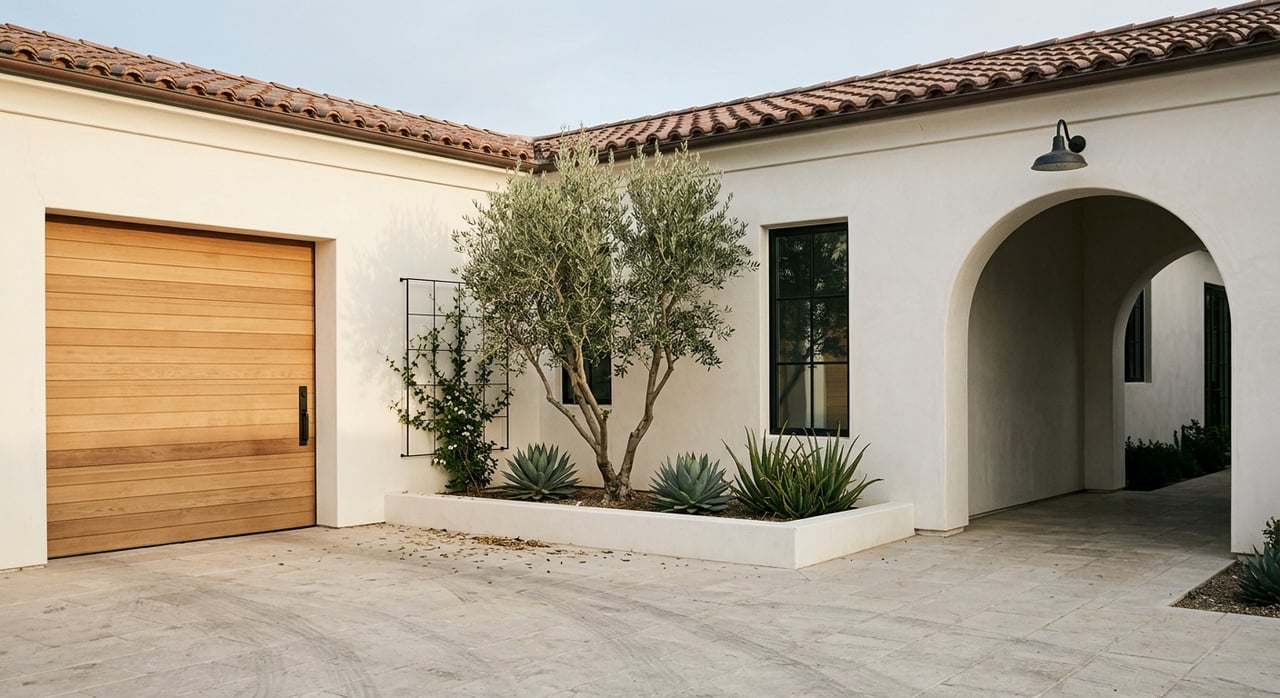
Dreaming about a second home in Carlsbad? You are not alone. Whether you want a coastal retreat, a future retirement base, or a home that gives you more flexibility in San Diego County, it helps to look past the postcard appeal and understand the real ownership picture. From property taxes and insurance to rental rules and remodeling limits, here is what you should know before you buy. Let’s dive in.
Why Carlsbad stands out
Carlsbad offers more than a typical beach-town lifestyle. The city says it has seven miles of coastline, three distinct lagoons, and roughly 67 miles of trails, with many trails connecting neighborhoods to shops and services. It also notes that about 37% of the city is in the coastal zone and that large areas are preserved as open space.
For a second-home buyer, that mix matters. You are not just buying near the ocean. You are buying into a lifestyle shaped by beaches, lagoons, trails, and land-use policies that help preserve the city’s coastal feel.
Beaches are public and actively used
If your vision includes quiet, private shoreline access, it is important to set expectations early. Carlsbad says most beaches are owned and managed by California State Parks, with lifeguards, restrooms, picnic areas, and parking lots serving the public. The city also notes that dogs are not allowed on the beach.
That does not make Carlsbad less desirable. It simply means your day-to-day experience may depend on how close you are to the beach, what kind of access you want, and how you plan to use the home throughout the year.
Lagoons add another layer of lifestyle
Carlsbad’s appeal goes beyond the sand. Agua Hedionda supports boating, sailing, windsurfing, and fishing in designated areas, while Batiquitos offers a more protected lagoon and trail setting. If you want a second home that supports both active recreation and quieter outdoor time, that variety is part of what makes Carlsbad unique.
What kinds of homes you can expect
Carlsbad has a broad housing mix, which gives second-home buyers more than one path into the market. In 2023, the city reported 48,066 housing units, including 23,289 detached single-family homes, 9,002 attached single-family homes, 14,458 multifamily units, and 1,317 mobile homes.
That range can be helpful if you are balancing lifestyle with maintenance. A detached home may offer more space and privacy, while an attached home or condo may offer a lower-maintenance setup for part-time use.
Much of the housing stock is relatively newer
The city’s housing analysis says about 67% of Carlsbad’s housing stock was built after 1979. Compared with many older coastal markets, that can mean more options with newer construction eras, more modern layouts, and potentially fewer age-related maintenance issues.
Still, coastal ownership comes with its own wear and tear. Salt air, sun exposure, and deferred upkeep can affect homes of any age, so a careful inspection remains important.
Budgeting for a high-price market
Carlsbad is a premium market, and your budget should reflect that from the start. The city’s July 2024 data shows a median single-family home sales price of $1,804,400.
That number is only a benchmark, not a promise of what any specific property will cost. Still, it is a useful starting point if you are comparing Carlsbad with other coastal areas in North County San Diego.
Think beyond the purchase price
Your ownership cost is bigger than your down payment and monthly mortgage. A realistic second-home budget should account for:
- Property taxes
- Possible supplemental tax bills after closing
- Insurance premiums
- HOA dues, if applicable
- Utilities and ongoing maintenance
- Any permit or compliance costs if you plan to rent or remodel
A second home should support your lifestyle, not create financial surprises. That is why the full cost picture matters just as much as the sale price.
Property taxes in Carlsbad
California property taxes are generally based on a 1% rate on assessed value, plus voter-approved bonds or assessments. Under Proposition 13, annual assessed value increases are limited to the lesser of inflation or 2%, but San Diego County notes that property is reassessed when ownership changes or when there is new construction.
For second-home buyers, the key point is simple: once you buy, your tax basis can change significantly from the seller’s current bill. You should avoid assuming the existing tax amount will carry over.
Supplemental tax bills can arrive later
San Diego County’s homeowner guide says the first secured installment is due November 1 and the second is due February 1. It also says supplemental tax bills are usually mailed 6 to 12 months after a change of ownership or new construction.
That timing catches some buyers off guard. Even if your closing statement includes a tax proration, you may still receive a supplemental bill later, so it is smart to leave room for that in your post-closing budget.
Check for added assessments
Base property tax is not always the full story. Buyers should review whether a parcel has additional charges, including parcel-specific assessments or Mello-Roos where applicable.
This is especially important for a second home, where carrying costs can influence how often you use the property, whether you keep it long term, and whether rental income is part of your plan.
Insurance deserves early attention
Insurance is one of the biggest variables in the cost of owning a second home in California. The California Department of Insurance says the FAIR Plan is an insurer of last resort for homeowners who cannot obtain traditional coverage, and that its coverage is narrower than a standard homeowners policy.
That does not mean every buyer will need it. It does mean you should shop for insurance early in the process, especially if you are buying a coastal or high-value home and want clear numbers before you remove contingencies.
Decide how you plan to use the home
Before you buy, it helps to be honest about your long-term plan. Will this home be used only by you and your household? Will it be rented part of the year? Could it become a more active income property later?
Those questions matter because tax treatment and city compliance rules can change based on how the property is used.
Personal use and mixed use are not the same
The IRS says a second home that is not rented out can still be treated as a qualified second home even if the owner does not use it during the year. If the home is rented for part of the year, the owner must also use it personally for more than 14 days or more than 10% of the rental days, whichever is longer, or it may be treated as rental property instead.
This is one reason it helps to make a use plan early. A home that starts as a private retreat can shift into a different tax and compliance category once rental use enters the picture.
Short-term rental rules in Carlsbad
If you are considering vacation rental income, Carlsbad has clear local rules. The city defines short-term vacation rentals as rentals of fewer than 30 consecutive days and says they are allowed only on residential property within the Coastal Zone or the La Costa Resort and Spa Master Plan area. They are prohibited outside those areas.
That means short-term rental potential is highly location-specific. You should confirm eligibility before you buy if rental use is part of your strategy.
STVRs are regulated operations
Carlsbad requires a short-term vacation rental permit, an Impact Response Plan, and a home-based business license before the first lease. The city also charges a $225 annual permit fee, a 10% transient occupancy tax, and a 2% CTBID assessment.
The city adds operating rules around 24/7 local contact response, noise, trash, occupancy, parking, and annual renewal. Repeated violations can lead to permit revocation, so this is not a casual setup. If you want a vacation-oriented property, it is best to think of it as a regulated business activity.
Remodeling may involve coastal approvals
Many second-home buyers plan to update the property over time rather than all at once. In Carlsbad, that can be more complicated if the parcel is in the coastal zone.
The city says properties in the coastal zone are subject to specific development standards, and either the city or the California Coastal Commission may have approval authority depending on the location. If you plan to renovate, expand, or significantly alter the home, verify permit jurisdiction early.
Why this matters before you buy
If your purchase only makes sense with a future remodel, the approval path is part of your decision. Coastal-zone review can affect timing, scope, and cost, so it should be part of your due diligence, not an afterthought.
This is one area where local guidance can make a real difference. A home may look perfect on paper, but your long-term plan needs to fit the property’s actual rules and constraints.
How to approach a second-home purchase wisely
A strong second-home decision usually comes down to clarity. You want to know how you will use the property, what it will cost to carry, and what flexibility you will have later if your plans change.
As you narrow your options in Carlsbad, focus on a few key questions:
- Do you want a low-maintenance property or a larger detached home?
- Is beach access your priority, or do trails and lagoons matter too?
- Will you keep the home for personal use only?
- If you want short-term rental income, is the property in an eligible area?
- Are you expecting to remodel later?
- Have you budgeted for taxes, insurance, and possible added assessments?
The more clearly you answer those questions, the more confident your purchase decision becomes.
Carlsbad can be an exceptional place to own a second home, especially if you value coastal access, outdoor recreation, and a broad mix of housing options. But the best purchase is not just the one with the best view. It is the one that fits your goals, budget, and long-term plan from day one.
If you are thinking about buying a second home in Carlsbad and want local guidance on property fit, ownership costs, and neighborhood options, The Wright Group SD is here to help.
FAQs
What should you budget for when buying a second home in Carlsbad?
- You should budget for the purchase price, property taxes, possible supplemental tax bills, insurance, maintenance, utilities, HOA dues if applicable, and any permit or compliance costs tied to rental use or future remodeling.
Can you use a Carlsbad second home as a short-term vacation rental?
- Yes, but only if the property is located within the Coastal Zone or the La Costa Resort and Spa Master Plan area, and you must meet the city’s permit, licensing, tax, and operating requirements before leasing it.
Are Carlsbad beaches private for homeowners?
- No. The city says most beaches are owned and managed by California State Parks, so they are public spaces with shared access, parking, and visitor amenities.
Do property taxes change after buying a second home in Carlsbad?
- Yes. San Diego County says property is reassessed when ownership changes, which can lead to a new assessed value and may also trigger a supplemental tax bill after closing.
What should you know about remodeling a second home in Carlsbad?
- If the property is in the coastal zone, specific development standards apply, and approval authority may fall to either the city or the California Coastal Commission depending on the parcel location and proposed work.